
 Ear
Ear infections and hearing problems are among the most common reasons people visit an ENT doctor. Some are short lived, like an outer ear infection after swimming. Others, like a long standing discharge from the middle ear, can slowly damage hearing if left untreated.
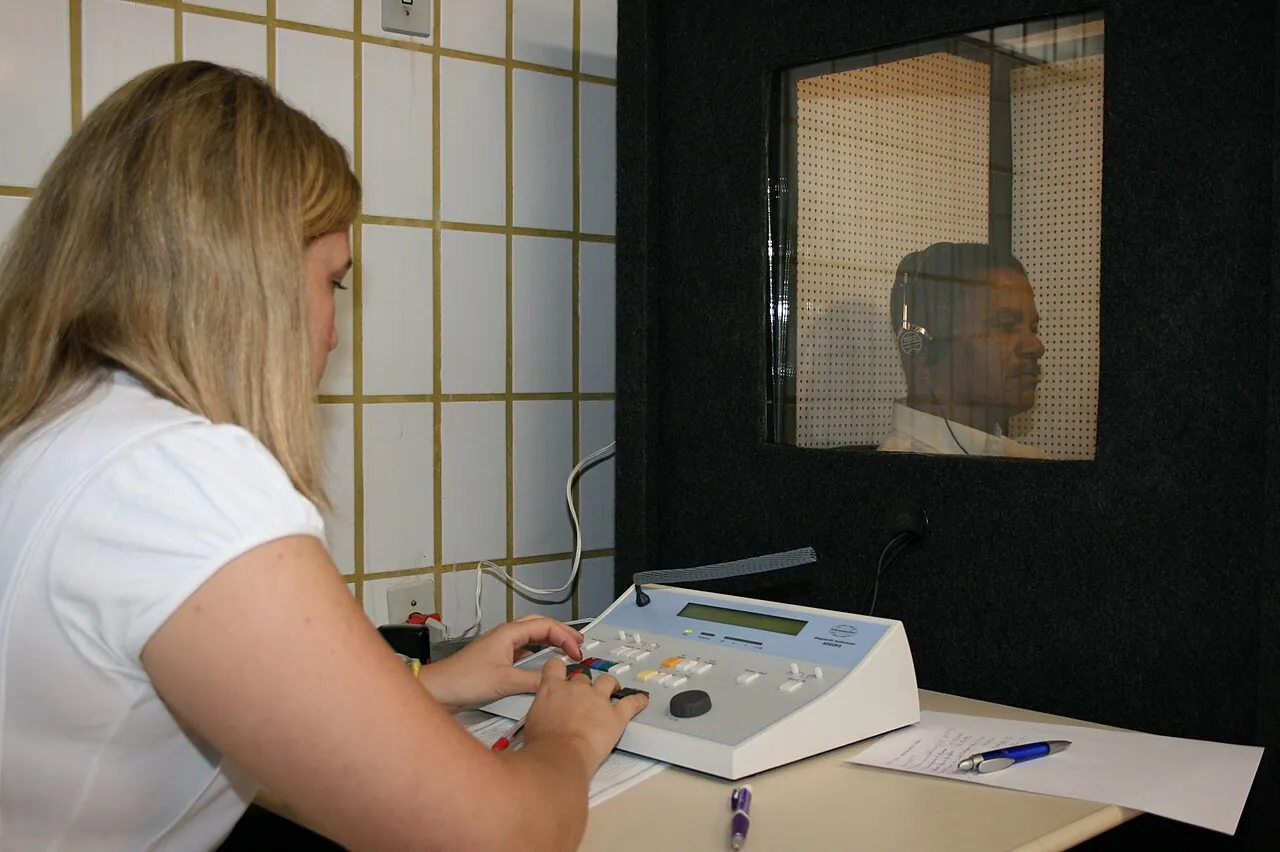
At the chamber the ear is examined under good light and magnification. Depending on what is found, you may be advised a hearing test (audiometry) or tympanometry. Treatment ranges from ear drops and medicine to minor procedures and, when needed, ear surgery such as repair of a perforated ear drum.
When to see the doctor
- Ear pain or a feeling of fullness
- Discharge or pus from the ear
- Reduced hearing in one or both ears
- Ringing or buzzing sound (tinnitus)
- Repeated ear infections in children
How it is checked
The ear canal and ear drum are examined under good light and magnification, and both ears are compared. A hearing test (pure tone audiometry) or tympanometry may be advised to measure how much hearing is affected and why.
Treatment
Outer and middle ear infections usually settle with the right ear drops or medicine. Fluid behind the ear drum and blocked Eustachian tubes are treated by managing the nose and allergy as well. A long standing perforation or chronic discharge may need surgery to repair the ear drum and protect hearing.
What you can do at home
- Keep the ear dry during treatment and use a cotton ball with a little Vaseline while bathing.
- Do not put oil or any home remedy in the ear.
- Avoid cotton buds and hairpins.
- Finish the full course of ear drops or medicine.